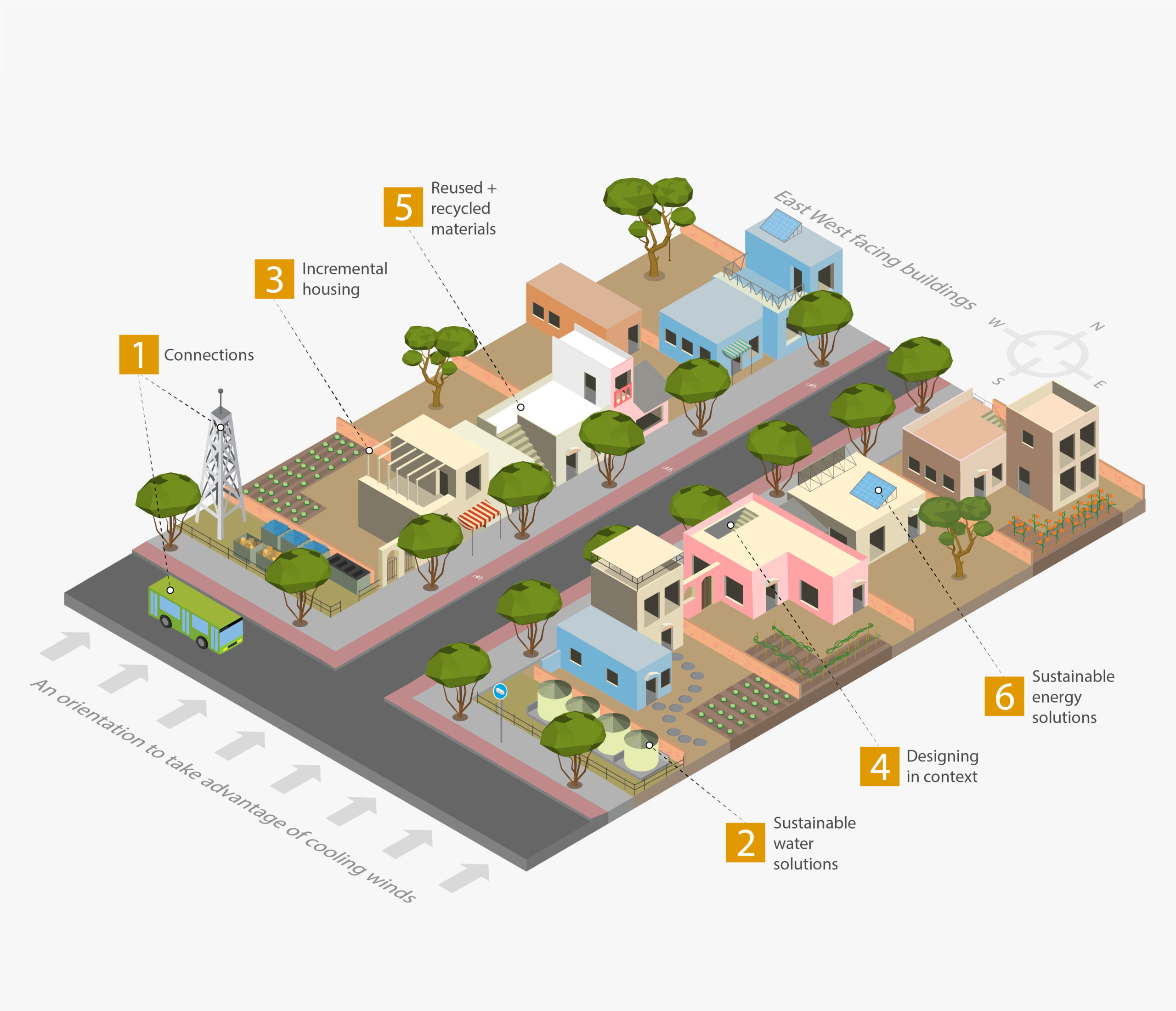
URBED has spent four decades at the forefront of urban design and planning in the UK and internationally – not just as researchers and thinkers, but as practitioners who have actively shaped cities, housing developments and regeneration projects. That body of work spans affordable housing, city growth, transport integration, inner-city regeneration and the economics of development – themes as relevant to today’s planning challenges as they were when URBED was founded.
The problem was that almost none of it was truly accessible online. The existing URBED Trust WordPress site amounted to a dense wall of PDF links with little context or discoverability. For a body of work of this depth and longevity, that was a significant missed opportunity.
A proper content architecture
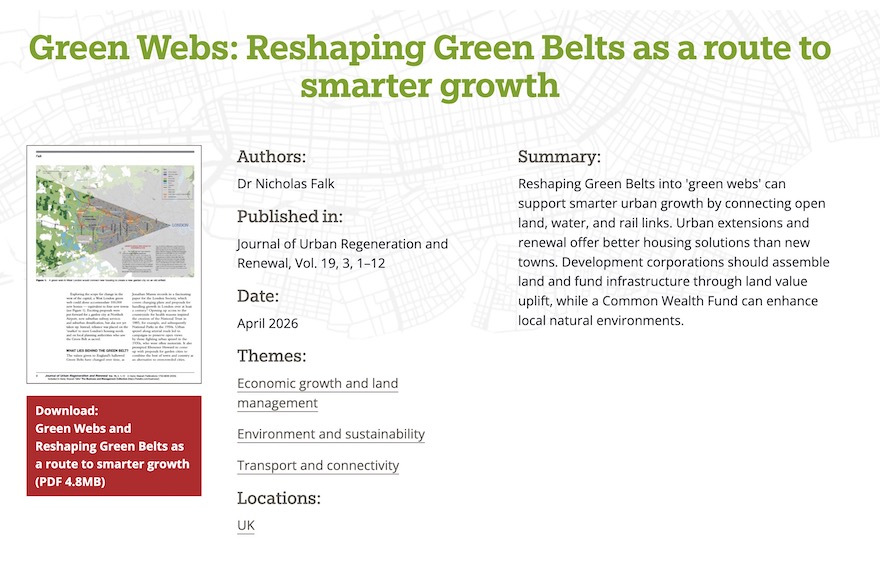
I rebuilt the site from scratch on a custom WordPress theme, with publications as the central content type, and migrated the existing content into the new content model. Each now has its own indexable URL, descriptive text, cover image and structured metadata – browsable and filterable by theme, author, date and geography. For an archive spanning 40 years of consistent thinking, that structure is what makes the collection naturally interlinked and explorable, rather than simply archived online.
Solving the attention problem
The site’s audience — urban planners, local politicians, policymakers, sector journalists and counterparts in India, Europe and beyond — are not going to sit with a 60-page PDF to find out whether it’s relevant to their work.
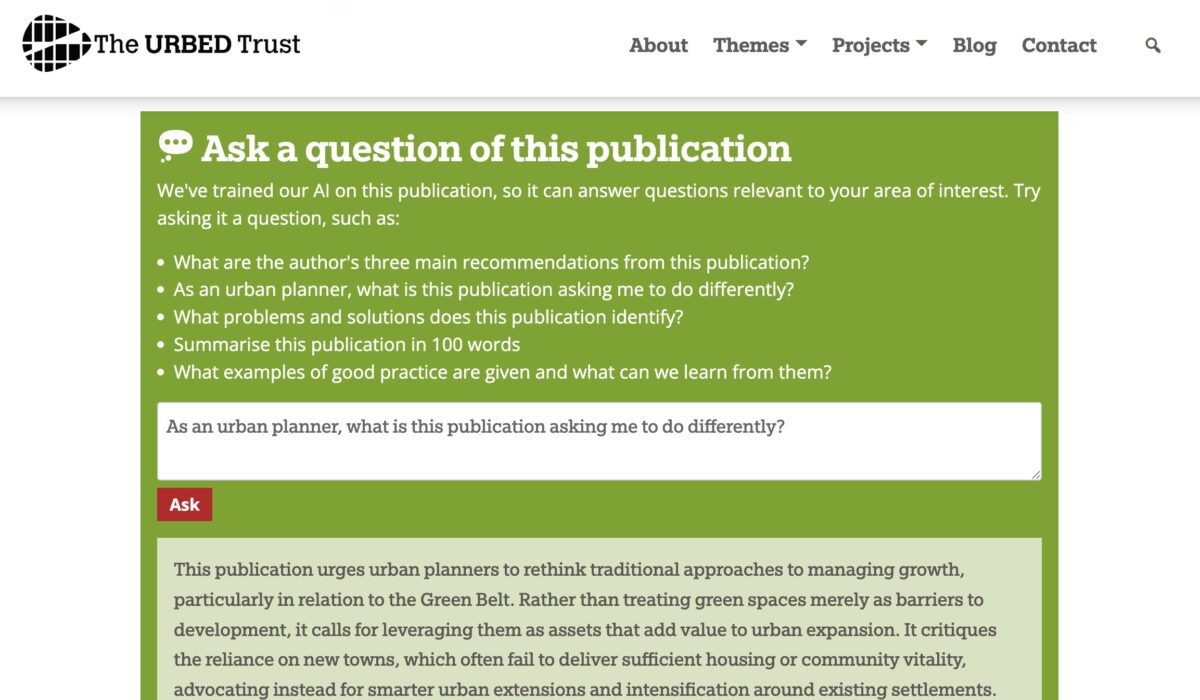
So on each publication page I integrated an AI service trained on the specific document with an appropriate tone of voice and measures to prevent ‘hallucination’ from extraneous sources, which lets visitors ask natural language questions directly. Pre-written sample prompts invite users to request a plain-English summary or ask what the publication recommends for a particular audience. Want an overview in Italian of the good practice examples cited? Nessun problema.
It turns a static document into something genuinely interactive, and makes a deep archive navigable in a way that search alone never could.